

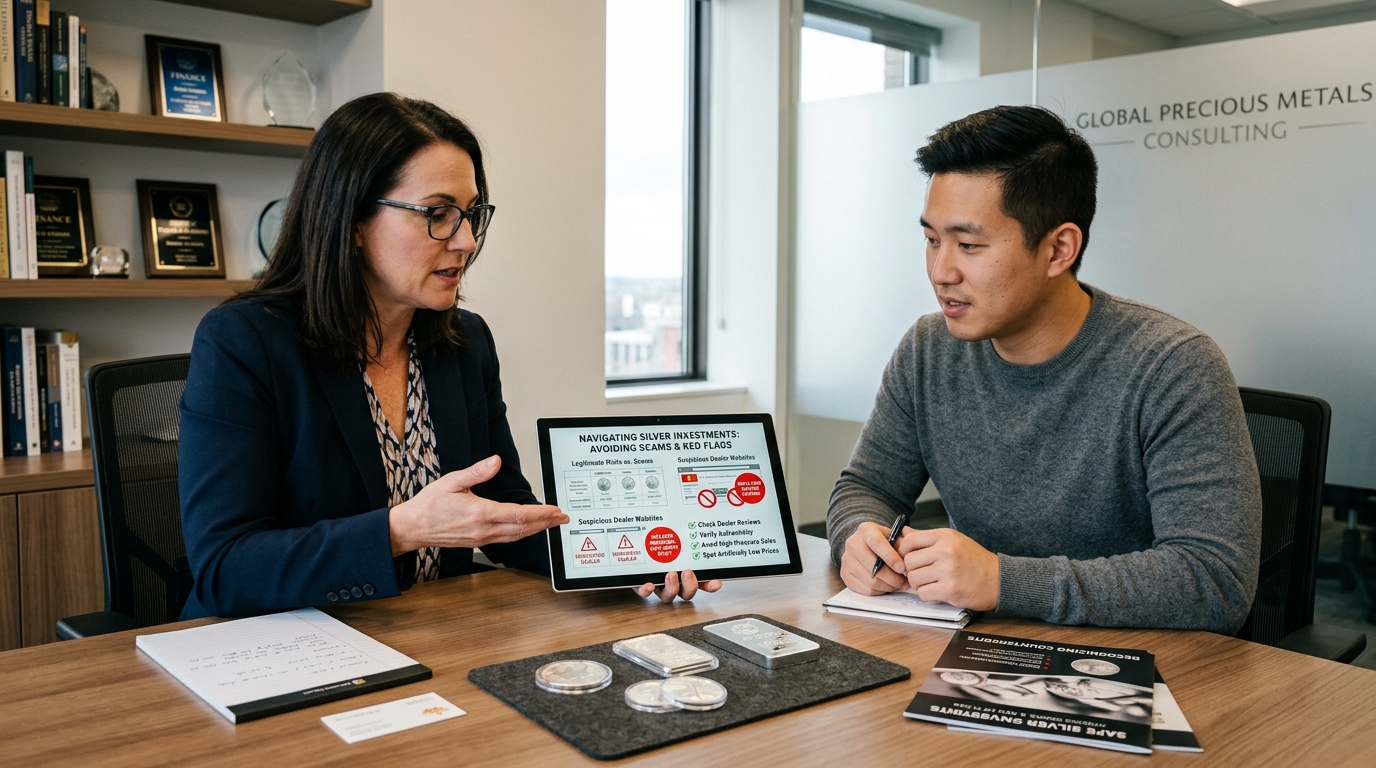
Learning how to avoid bad silver investments is one of the most important skills for anyone entering the precious metals market. While silver can offer strong long-term potential, not every opportunity is worth taking. In fact, many beginners lose money not because silver is a poor asset, but because they enter the market at the wrong time or with the wrong approach. Therefore, understanding how to avoid bad silver investments helps you protect your capital and build confidence from the start.
At first, the market may seem confusing, especially with constant price changes and mixed advice online. However, once you focus on the fundamentals and develop a disciplined mindset, it becomes much easier to filter out poor opportunities. In this guide, you will learn practical strategies that help you avoid bad silver investments and make smarter decisions over time.
Understanding What Makes A Silver Investment Bad
To successfully avoid bad silver investments, you need to define what makes an investment “bad” in the first place. A poor investment is not just about losing money. It often involves unnecessary risk, poor timing, or lack of proper research.
For example, buying silver at inflated prices during market hype is a common mistake. Many investors rush in when prices are rising quickly, only to face losses when the market corrects. Similarly, purchasing from unreliable sources can lead to overpaying or receiving low-quality products.
Another issue is lack of strategy. Without a clear plan, investors often make emotional decisions. This leads to inconsistent results and avoidable losses. By understanding these risks, you can take the first step to avoid bad silver investments effectively.
Avoiding Emotional Decision-Making
One of the biggest challenges in learning to avoid bad silver investments is managing emotions. Fear and greed can strongly influence decisions, especially during volatile market conditions.
For instance, when prices rise rapidly, many investors feel pressured to buy immediately. This fear of missing out often leads to buying at peak levels. On the other hand, fear can prevent investors from buying during dips, even when prices are more favorable.
To avoid this cycle, it is important to rely on analysis rather than emotion. Setting clear entry rules and sticking to them helps maintain discipline. Over time, this approach allows you to avoid bad silver investments by making decisions based on logic rather than impulse.
Recognizing Overpriced Silver Opportunities
Another key aspect of how to avoid bad silver investments is identifying overpriced opportunities. Not all silver products are priced equally, and some sellers charge significantly higher premiums than others.
For example, collectible coins often come with high markups that may not reflect their actual silver value. While they may have aesthetic or rarity appeal, they are not always the best choice for investment purposes.
In addition, buying during market hype can lead to overpaying. When demand spikes suddenly, prices can rise beyond reasonable levels. Waiting for the market to stabilize often results in better entry points. By staying patient, you can avoid bad silver investments and protect your funds.
Choosing Reliable Sellers And Platforms
Where you buy silver is just as important as when you buy. To avoid bad silver investments, you must choose reputable sellers and platforms. Reliable dealers offer transparent pricing, verified products, and fair premiums.
Unverified sellers, on the other hand, may provide misleading information or inflated prices. In some cases, there is even a risk of counterfeit products. Therefore, conducting proper research before making a purchase is essential.
Look for established dealers with positive reviews and clear pricing structures. This reduces risk and ensures you receive genuine value. By taking this step, you significantly improve your ability to avoid bad silver investments.
Understanding Market Timing And Trends
Timing plays a crucial role in avoiding poor investment decisions. While it is impossible to predict exact price movements, understanding trends helps you make better choices.
For instance, buying during strong upward momentum may seem attractive, but it often carries higher risk. Instead, waiting for price pullbacks can provide more favorable opportunities.
At the same time, recognizing long-term trends is important. If silver is in a sustained uptrend, temporary dips may present buying opportunities. Conversely, in a downtrend, patience is often the best strategy.
By combining patience with trend awareness, you can avoid bad silver investments and improve your overall results.
Diversifying To Reduce Risk
Another effective way to avoid bad silver investments is through diversification. Relying entirely on one asset increases your exposure to market fluctuations.
By spreading your investments across different assets, you reduce the impact of any single loss. This approach creates a more balanced portfolio and improves long-term stability.
Even within silver investing, diversification can help. For example, you may choose a mix of physical silver and financial instruments. This allows you to manage risk more effectively while still benefiting from silver’s potential.
Avoiding Short-Term Speculation Traps
Short-term speculation is another area where many investors struggle. While quick profits may seem appealing, they often come with higher risk.
Trying to predict short-term price movements can lead to frequent buying and selling. This increases costs and reduces overall returns. In many cases, it also leads to emotional decision-making.
Instead, focusing on long-term value helps you avoid bad silver investments. By maintaining a broader perspective, you can avoid unnecessary risks and build a more stable investment strategy.
Learning From Market History
History provides valuable lessons for those who want to avoid bad silver investments. By studying past market cycles, you can identify patterns and avoid repeating common mistakes.
For example, silver has experienced periods of rapid price increases followed by sharp declines. Investors who entered during peak excitement often faced losses. However, those who bought during quieter periods benefited from long-term growth.
While history does not guarantee future results, it offers useful insights. By learning from past trends, you can refine your strategy and make better decisions.
Building A Clear Investment Plan
A clear plan is essential if you want to avoid bad silver investments consistently. Without a plan, decisions become reactive and inconsistent.
Your plan should include entry points, budget limits, and long-term goals. It should also define how you will respond to market changes. By setting these guidelines in advance, you reduce uncertainty and improve discipline.
In addition, reviewing your plan regularly helps you stay on track. As market conditions change, adjustments may be necessary. However, having a structured approach ensures you remain focused on your objectives.
Developing Confidence Through Experience
Confidence grows with experience. The more you apply strategies to avoid bad silver investments, the more comfortable you become with the market.
Start with smaller investments and gradually increase your exposure as your understanding improves. This allows you to learn without taking excessive risk.
Tracking your decisions also helps. By reviewing past choices, you can identify what worked and what did not. Over time, this process strengthens your skills and builds confidence.
Conclusion: Protecting Your Investment With Smart Choices
Learning how to avoid bad silver investments is not about eliminating risk entirely. Instead, it is about managing risk and making informed decisions. By focusing on research, discipline, and strategy, you can significantly improve your chances of success.
While the silver market will always have uncertainties, a structured approach allows you to navigate them more effectively. By avoiding emotional decisions, choosing reliable sources, and understanding market trends, you can protect your capital and build long-term value.
Ultimately, the goal is consistency. By applying these principles, you can avoid bad silver investments and create a more confident and successful investment journey.
FAQ
1. What are common mistakes in silver investing?
Buying during hype, ignoring research, and relying on emotions are among the most common mistakes.
2. How can I tell if silver is overpriced?
Compare market prices, premiums, and recent trends to determine if prices are unusually high.
3. Is it risky to invest in silver as a beginner?
It can be, but proper research and strategy help reduce risks significantly.
4. Should I invest in physical silver or other forms?
Both have advantages, and combining them can help balance risk and flexibility.
5. How can I improve my silver investment decisions over time?
Practice, research, and consistent analysis help you make better decisions and avoid costly errors.